Behind the scenes
of WaterFire
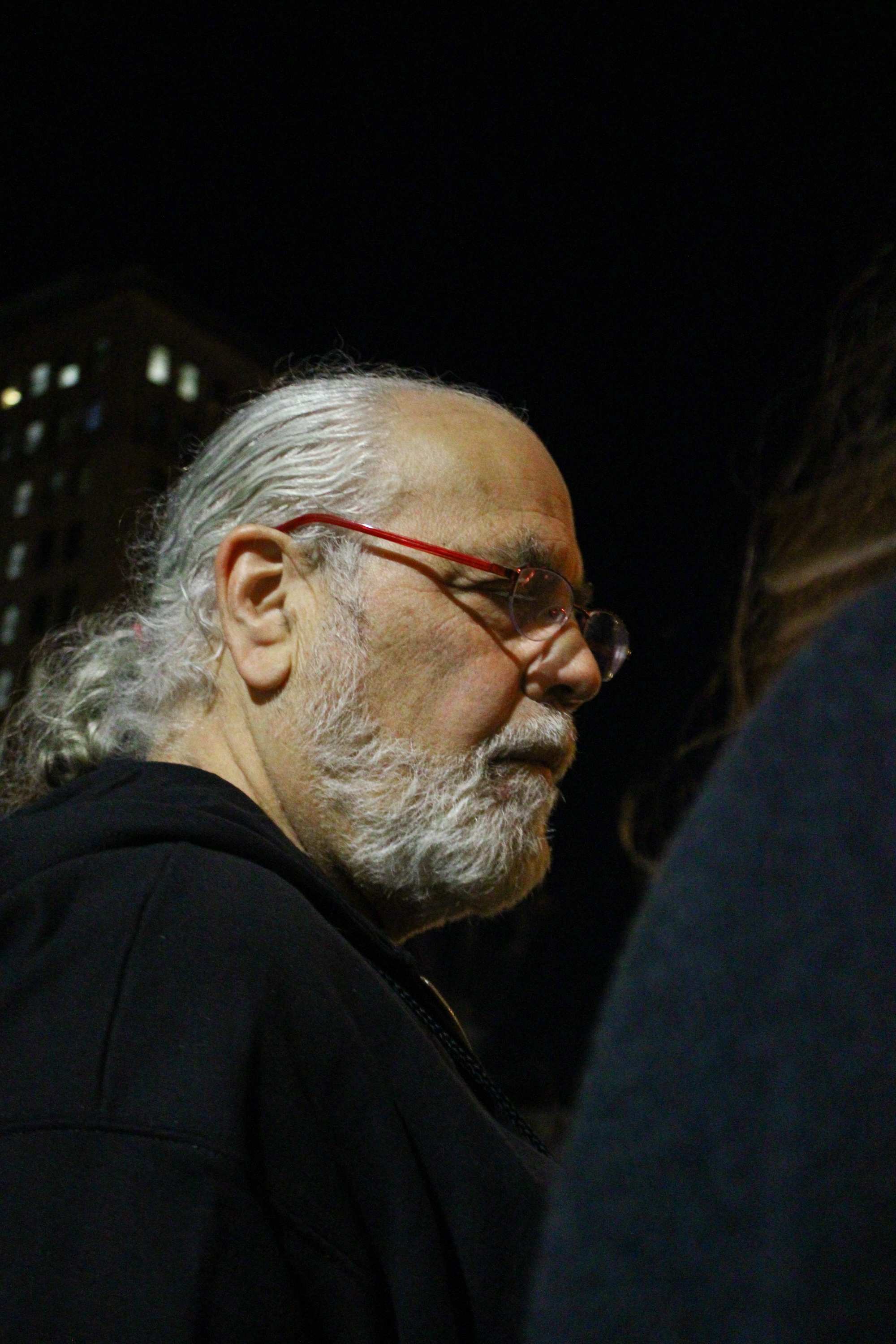
Amid the installation’s financial challenges, The Herald spoke to WaterFire organizers, staffers, vendors and performers at the Nov. 1 full lighting.
Reporting by
,
,
,
&
Media by
,
,
,
,
,
&
Illustrations by
Website by
By Kaia Yalamanchili | The Brown Daily Herald
By Vanson Vu | The Brown Daily Herald
By Kaia Yalamanchili | The Brown Daily Herald
By Jake Parker | The Brown Daily Herald
By Vanson Vu | The Brown Daily Herald
By Vanson Vu | The Brown Daily Herald
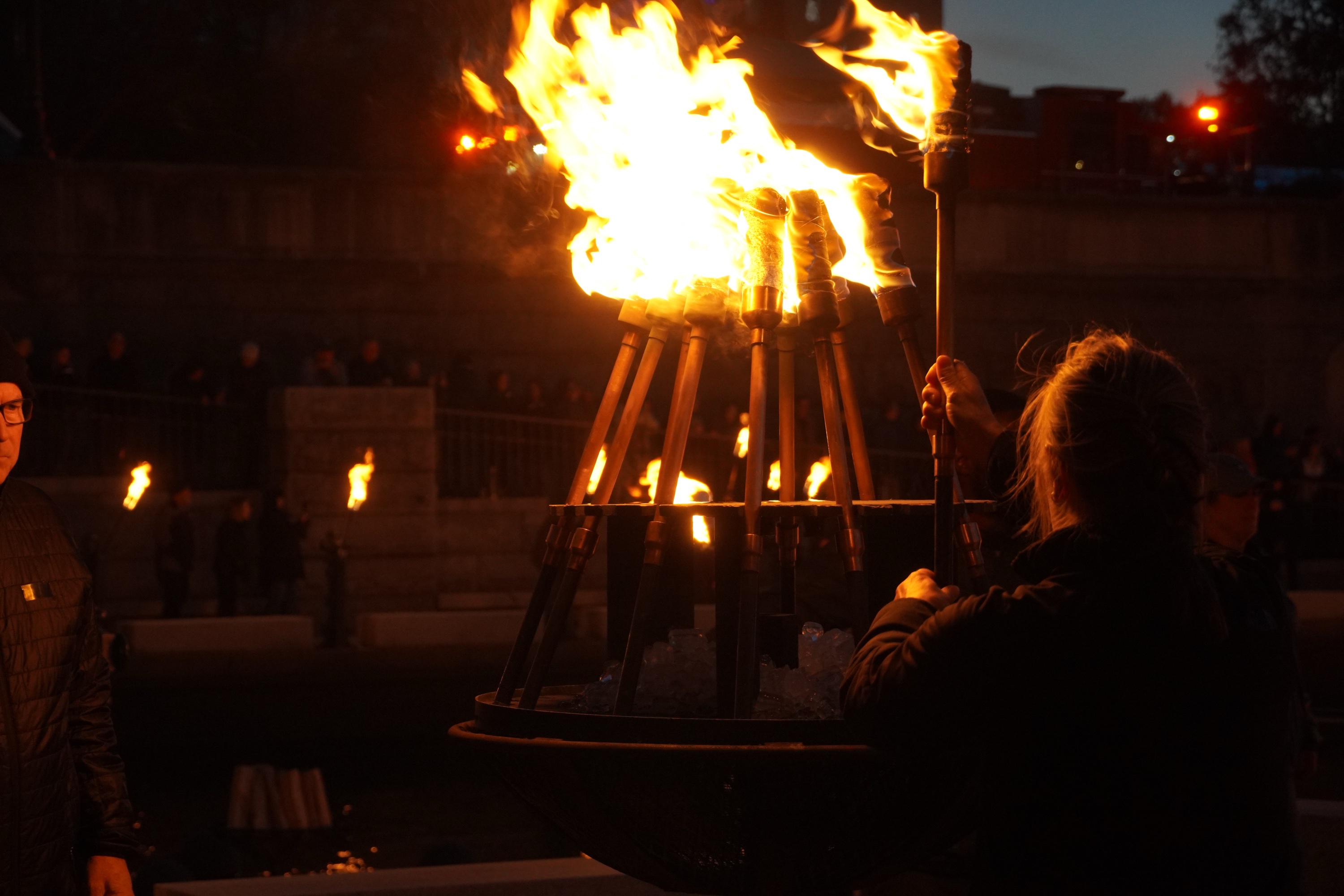
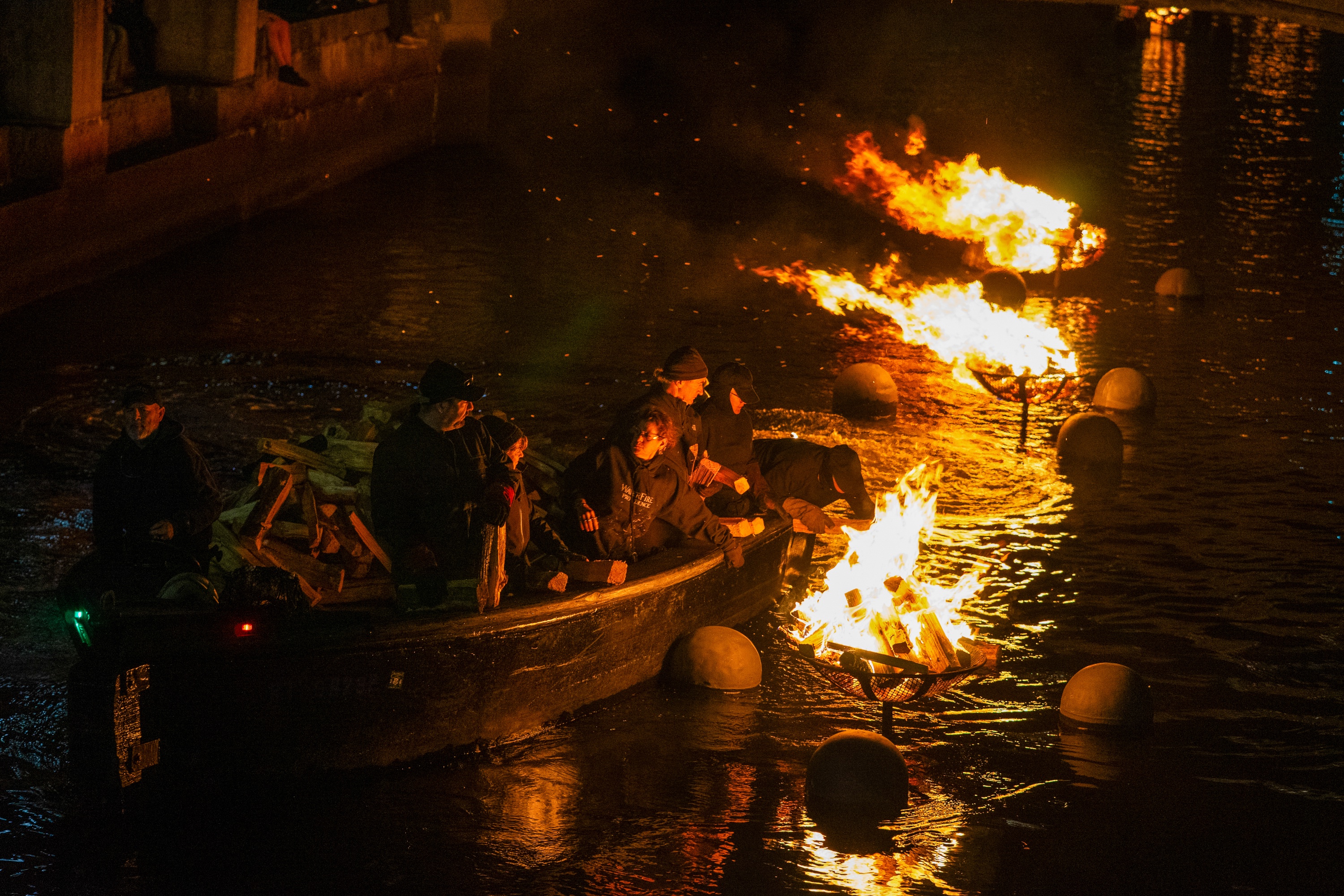
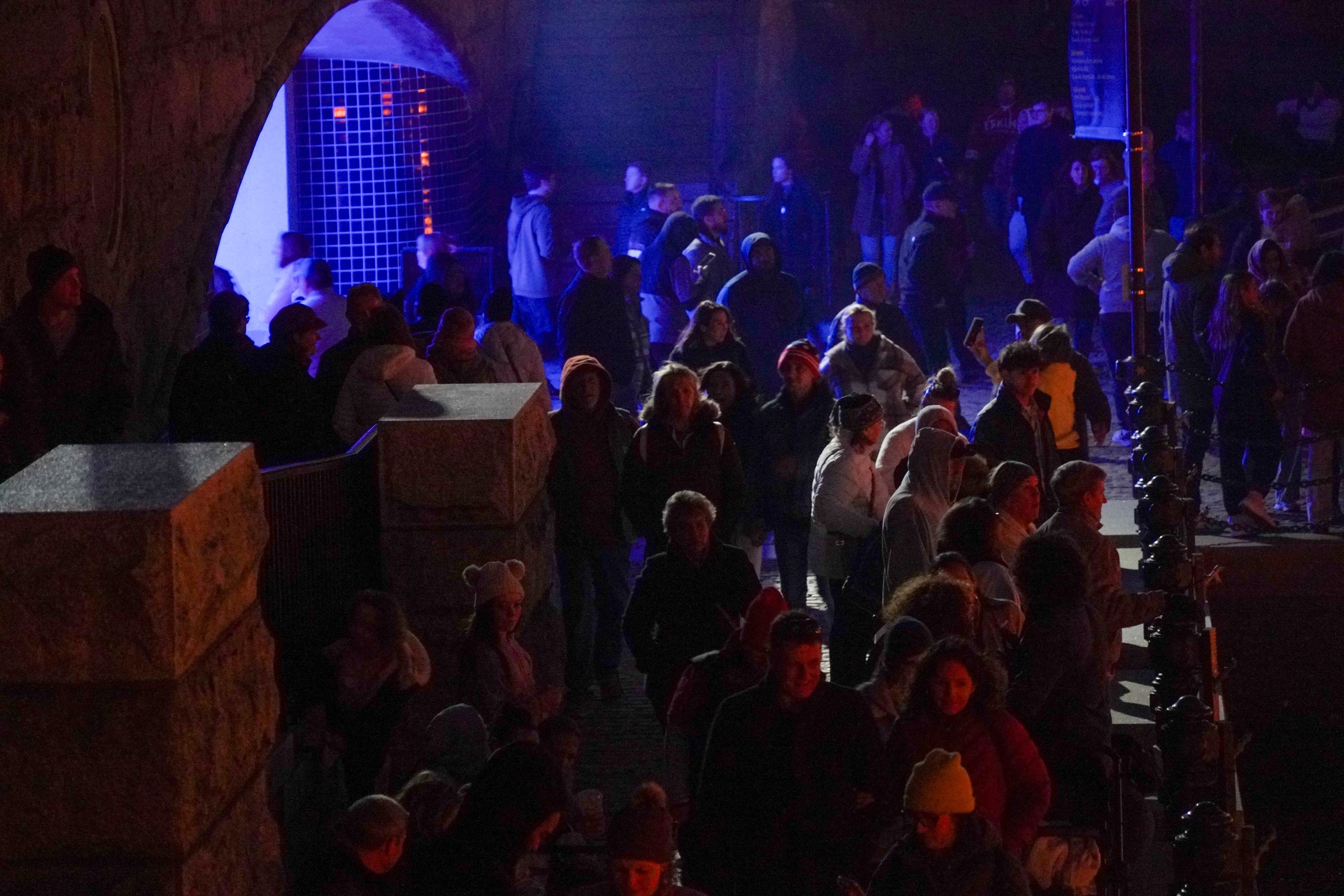
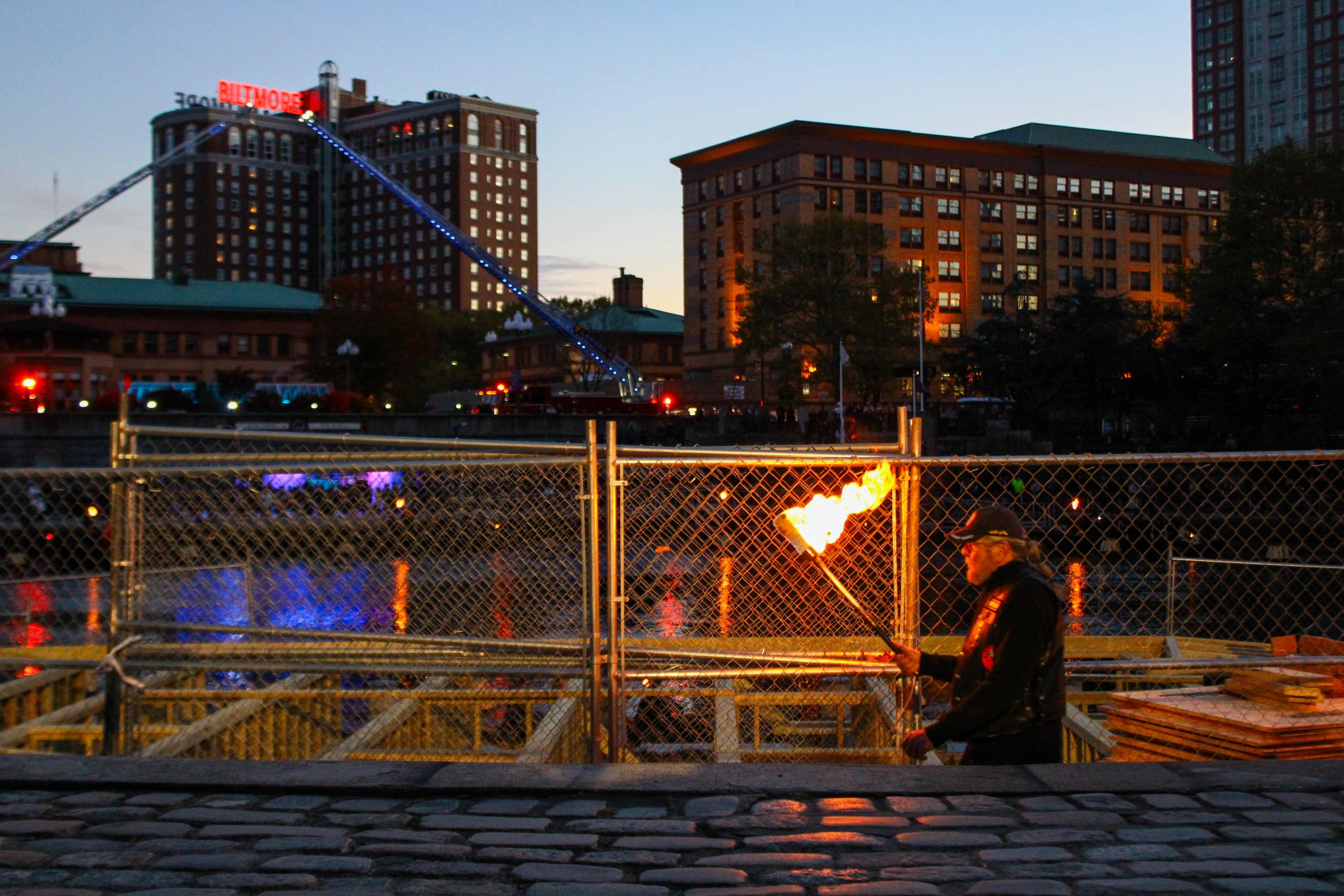
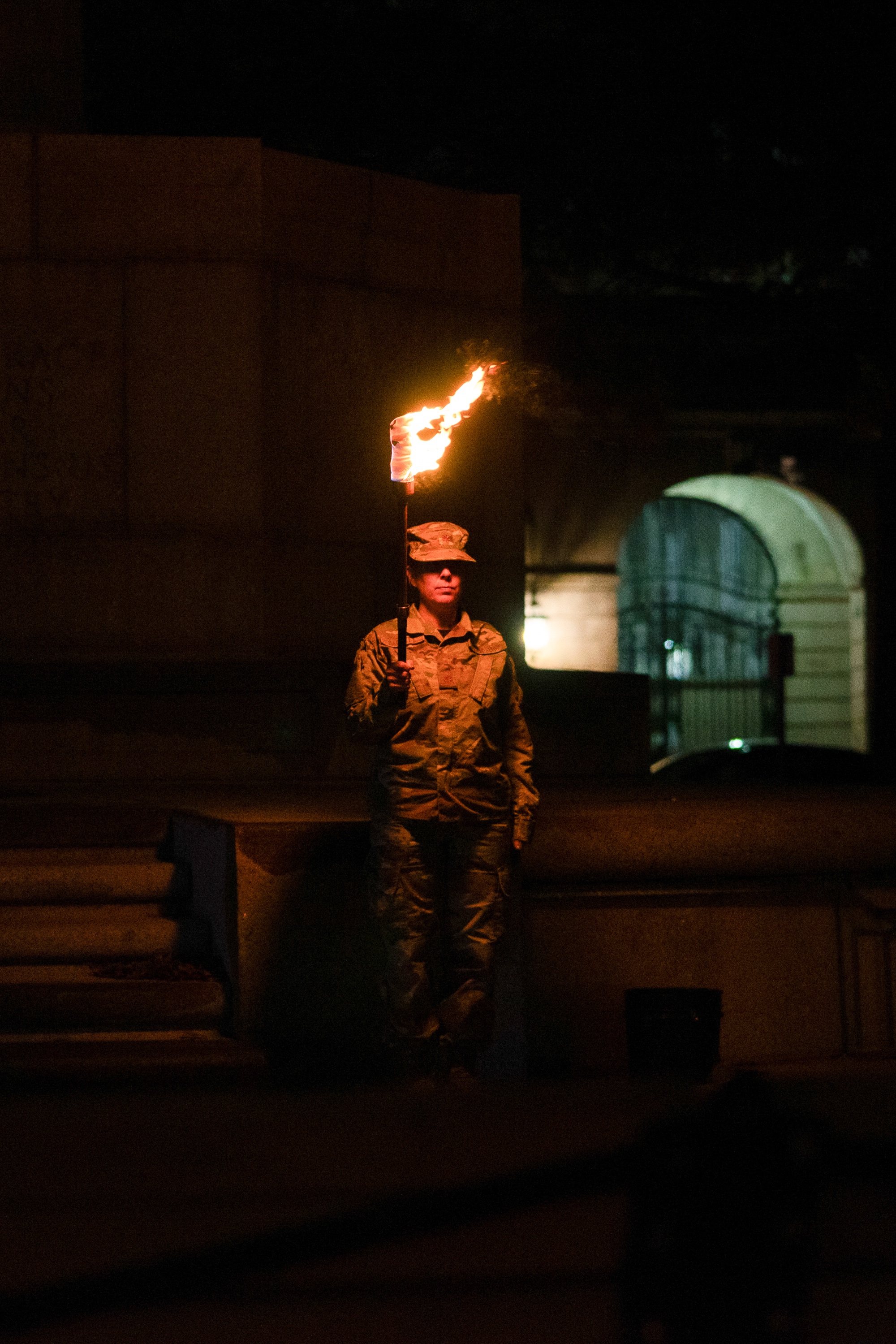
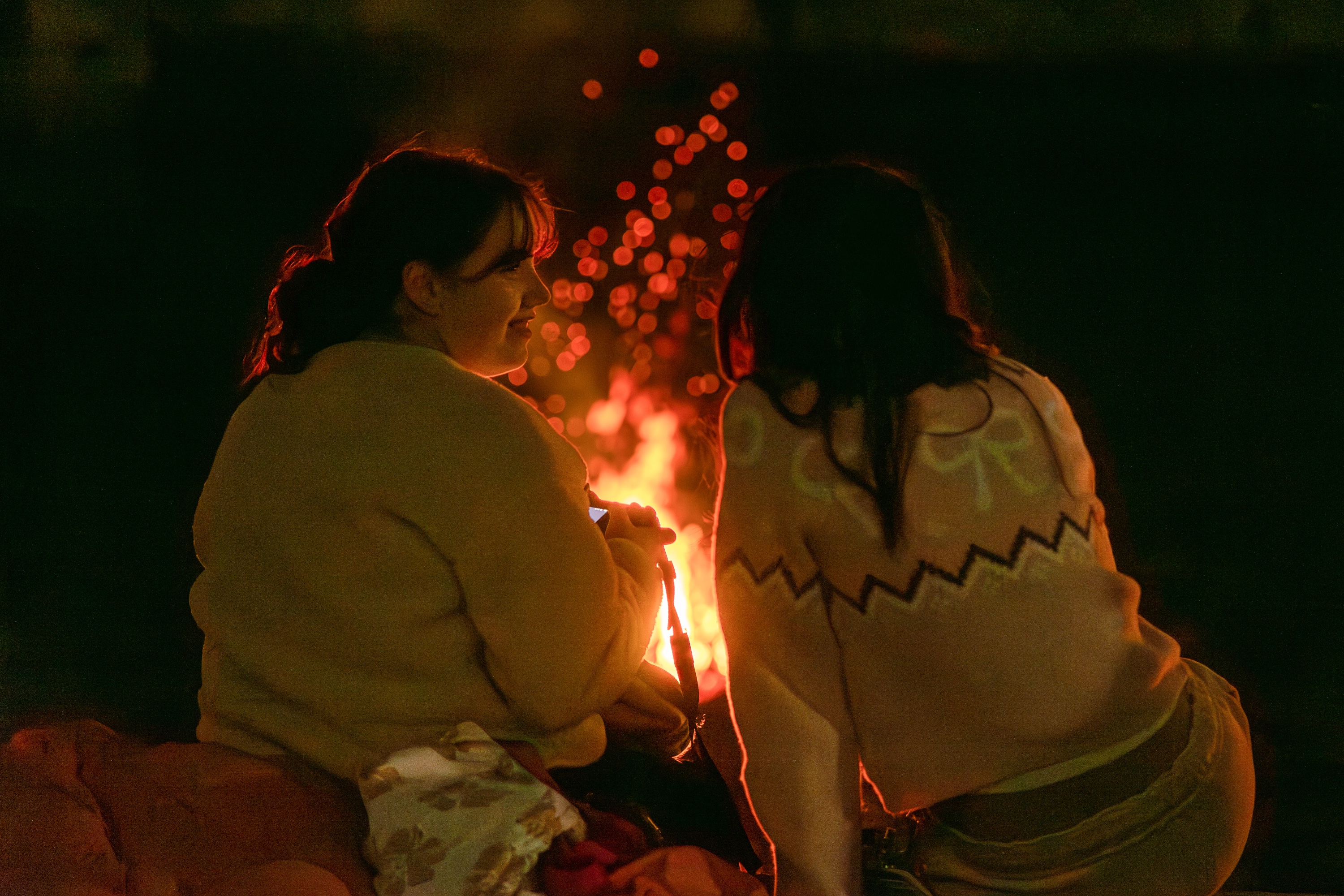
A full WaterFire lighting on the Providence River in 2025 features fires blazing in over 80 braziers — large, shallow metal stands just above the water’s surface. The braziers run from Crawford Street to the WaterFire Basin in Waterplace Park, spanning about five blocks. Throughout the night, fire performers and gondoliers weave their way along the water, while visitors mill around at the river’s edge, stopping at food stalls, admiring locally crafted art or interacting with living statues.
But in December 1994, when Barnaby Evans ’75 organized the first WaterFire, the event looked very different.
When Evans attended Brown in the 1970s, the Providence River was buried under streets and buildings, he told The Herald. In the 1980s, the city invested significant resources into uncovering the river to draw people downtown.
On New Year’s Eve in 1994, Evans created a sculptural art installation dubbed “First Fire,” placing and lighting 11 braziers along the river in order to attract people to the newly created waterfront and celebrate the 10th anniversary of a bygone Providence New Year’s Eve tradition called “First Night.” The event, funded out of his own pocket and held without prior approval from the city, ran until 1:30 a.m. in the new year, Evans recalled.
In June 1996 came “Second Fire,” when the then-head of the city’s Parks Department offered Evans $990 to run the program during a weeklong international art conference, he said.
“It became viral,” Evans added. “The community said, ‘Hey, we’d love you to do this on an ongoing basis.’”
From there, community members supported the creation of the WaterFire nonprofit in 1997 with Evans as the executive artistic director, the role he remains in to this day. Over three decades later, that organization has 30 employees, 400 annual volunteers and a permanent arts center, with the performances attracting nearly 1 million yearly visitors and creating $149 million in annual local economic output and $9 million in state tax revenue.
But today, nearly three decades since the performance first began, WaterFire is struggling to stay afloat. Last year, the Boston Globe reported that WaterFire was $750,000 over budget in the previous fiscal year, and last summer’s full lightings ended an hour earlier in response to these financial challenges.
This Thursday, the Providence City Council is slated to vote on a proposal for the city of Providence to purchase the WaterFire Arts Center building for $3.5 million and rent it back to the WaterFire nonprofit for $1 a year, hoping to support the organization’s future lightings.
Mark Allan, the executive director of WaterFire Providence, told The Herald that WaterFire’s budget is composed of corporate sponsorships, donations, vendor fees and funding from city and state governments, tourism councils and fundraising events. The organization has an annual budget of $3.7 million.
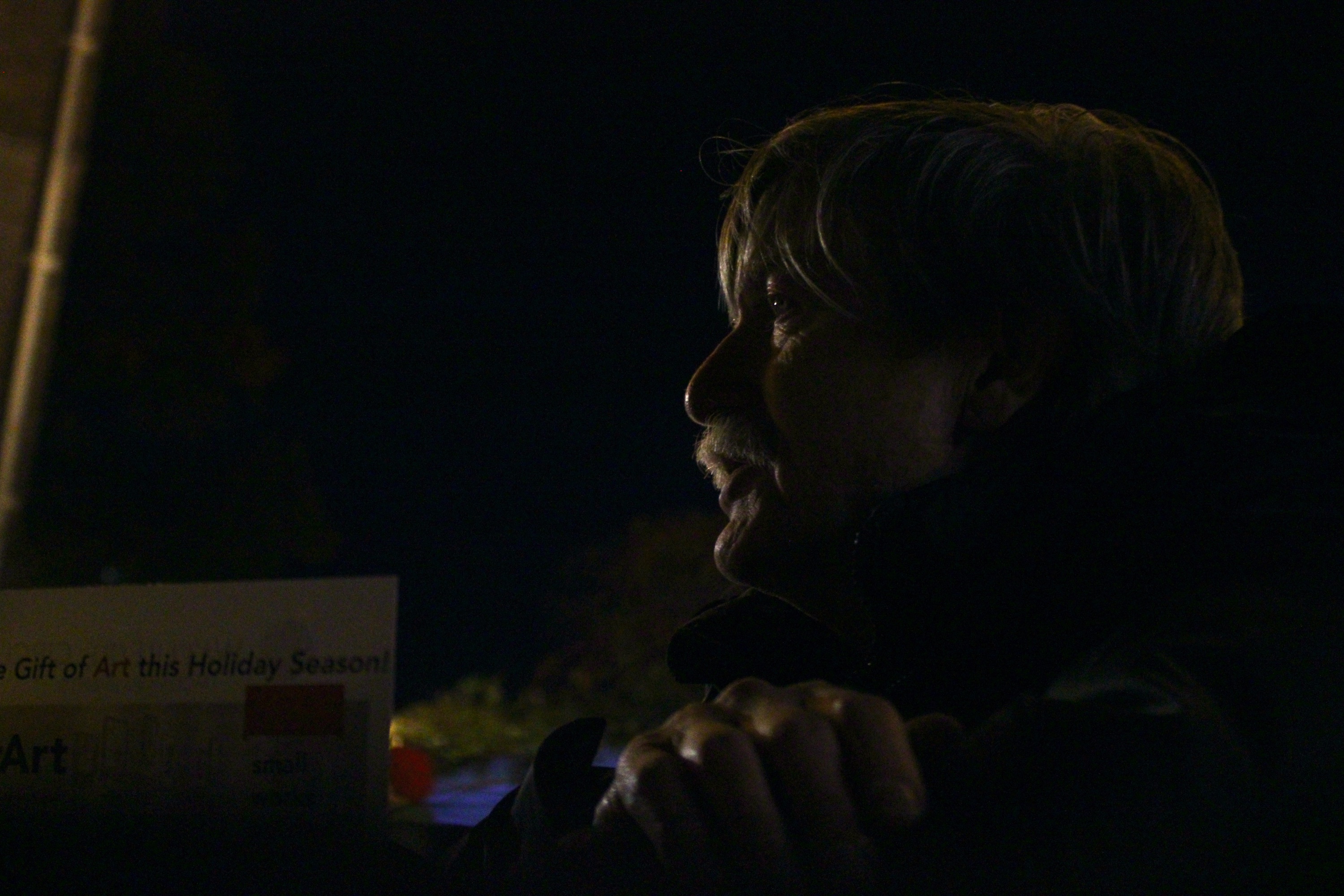
A photo of Mark Allan.
By Jake Parker | The Brown Daily Herald
Rising expenses have generally made lightings more costly, with the organization now paying approximately $50,000 per year to the city of Providence for police details.
Before 2023, Providence had various agreements with the organization that “fixed a total for all public safety detail payments per season,” City Press Secretary Anthony Vega wrote in an email to The Herald.
“The city moved away from these agreements and as part of that change, WaterFire is now responsible for paying all police detail costs,” Vega wrote.
The organization’s annual insurance prices have also increased by 15% in the past year, Allan said, adding that he expects these prices to keep rising over the next few years. In 2024, these prices amounted to nearly $250,000, according to the Globe.
But the underlying issue appears to be a loss of revenue.
Corporate sponsorships currently make up around 16% of the total budget, according to Allan, who added that this proportion used to be much higher and has decreased steadily over the last 15 years.
Allan said he believes the decrease in funding is symptomatic of a yearslong economic trend of companies leaving Providence or scaling back support for WaterFire.
Out of the nine Rhode Island universities that have previously sponsored lightings, only the Rhode Island School of Design remains a sponsor, Evans said. Earlier this year, Brown didn’t sponsor a Family Weekend WaterFire, citing budget shortfalls, The Herald previously reported.
WaterFire had around 75 sponsors this year, Kelly Pattison, the organization’s director of sponsorship and corporate relations, told The Herald. Contributions ranged from $250 for an advertisement to sponsorship of a full lighting.
She explained that planning for a lighting is a long, continuous process, noting that in late October, she was already lining up donors for next year’s lightings.
The COVID-19 pandemic “rocked everyone,” she said. Corporations became much more cautious about how they spent their money, prioritizing seeing a return on their investment. As a result, sponsorship has shifted to being more community-based, she said.
Amid the rising costs, falling revenue and dwindling sponsorships, WaterFire scheduled just six full lightings this year, a marked decrease from nine full lightings in 2024, 2023 and 2022.
With WaterFire facing these financial uncertainties and the “cultural tourism impact” that the event brings, the city of Providence has “increased its contribution by $50,000 in fiscal year 2026, bringing the total contribution to $100,000 this year,” Vega wrote.
The fiscal year 2026 state budget also includes a $400,000 line item grant to WaterFire, which is generally consistent with contributions made in previous years.
On Thursday, the Providence City Council is slated to vote on a proposal for the city of Providence to purchase the WaterFire Arts Center building for $3.5 million and rent it back to the WaterFire nonprofit for $1 a year, hoping to support the organization’s future lightings.
On Nov. 4, the City Council Finance Committee approved the resolution, sending it to the full City Council for a vote. The full vote was originally scheduled for Nov. 20, but was rescheduled to Dec. 4 due to a lack of quorum among City Council members on the original date, Providence City Council Chief of Staff June Rose wrote in an email to The Herald.
WaterFire has already agreed on the conditions of the proposed lease with the city, according to Allan, who explained that the agreement would allow for WaterFire to still hold responsibility over the building, such as paying for maintenance or damages.
“We have every reason to hope it’ll pass,” Allan said. “Without that, I don’t know how we go on as an organization.”
With WaterFire’s financial struggles, Evans explained that visitors often do not realize the performance is organized by a nonprofit that handles everything from building the stages for performances to adjusting the height of the river for the boats, he explained.
“The scale of the event gives the impression that it’s presented by the city or by the state,” Evans said.
Ahead of Thursday’s vote, The Herald spoke to WaterFire organizers, as well as staffers, vendors and performers at the Nov. l full lighting, to see what goes into making WaterFire possible.
Interact with the map below by scrolling to advance the gondola forward. As the gondola moves down the WaterFire route, explore the links to learn more about individual vendors, performers, staffers and attendees.